
Research
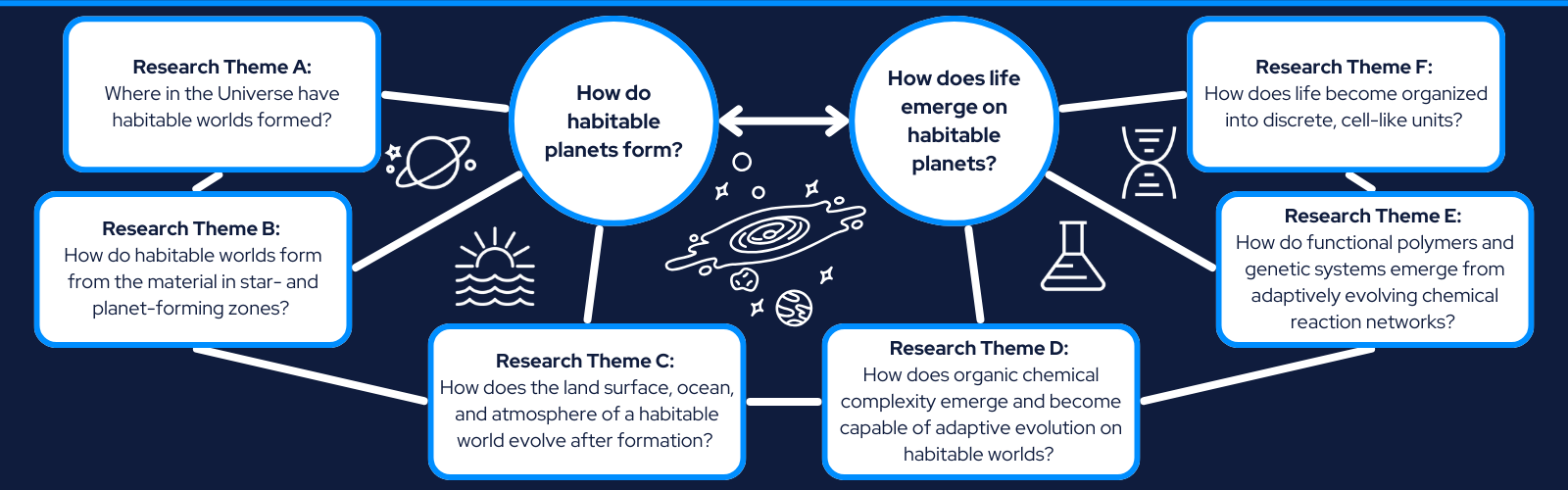
The two main science questions for the Wisconsin Center for Origins Research (WiCOR) are:
- How do habitable planets form?
- How does life emerge on habitable planets?
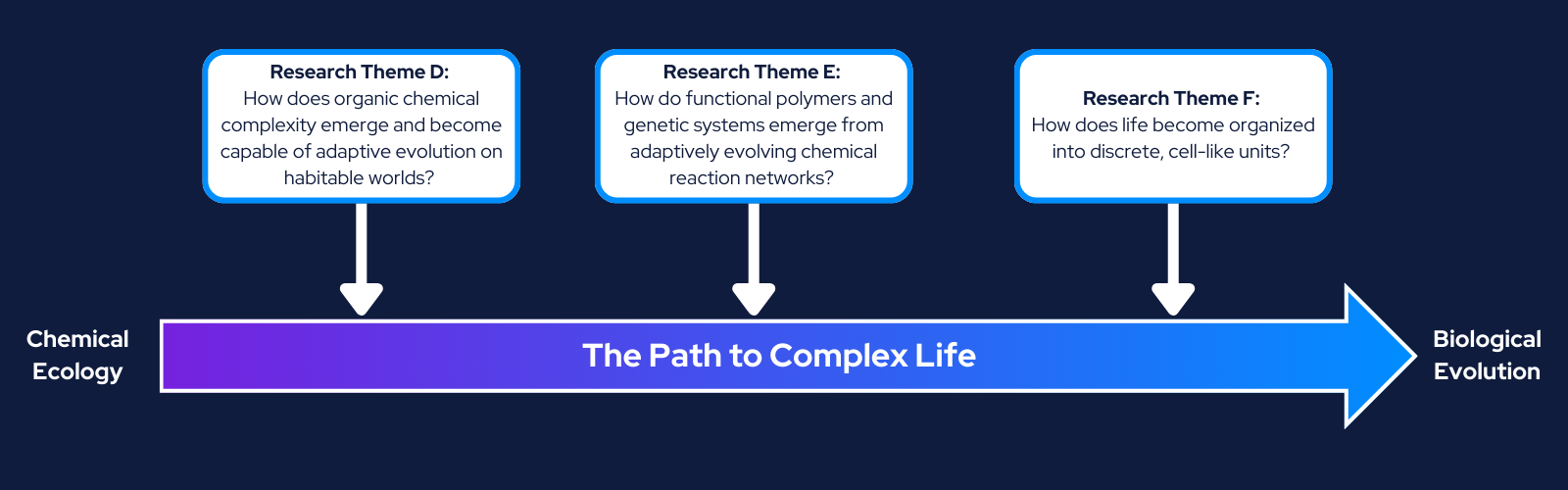
Each of the related Research Themes within WiCOR are linked back to one of these two questions, and driven by their own more specific question around which collaborative research groups have formed. Below we give brief summaries of Research Themes A – F, which have been chosen due to their fundamental importance to origins science and the expertise of the scientists at UW–Madison. Our interdisciplinary Center provides a unique opportunity to piece together a continuous path from planetary environments, to increasing chemical complexity, and ultimately to the encapsulation of early pre-biological/biological systems allowing for the origins of life. A schematic of the two main science questions and the Research Theme questions (detailed on this page) is shown above.
WiCOR Publications & News
WiCOR members frequently share their research discoveries by publishing in scientific journals. Visit our Publications page to find these articles.
Visit the News page & follow WiCOR to find recent media coverage of our research.
Research Themes

Want to join WiCOR Research?
Faculty – reach out your colleagues who are members or to wicor@wisc.edu
Students & Postdocs – Visit our Education Page linked below
Theme A: Discovering Habitable Worlds

Where in the Universe have habitable worlds formed?
We aim to identify potentially habitable worlds and determine how to confidently detect biosignatures in these planets’ atmospheres using current and upcoming astronomical observatories.
- Observational planet discovery and detailed characterization.
- Modeling of detection limits with current and future telescopes; telescope design considerations.
- Determination of exoplanet system architectures. Studies of star-planet interactions and time evolution of planetary habitability.
- Observational atmospheric characterization using transmission and direct-imaging spectroscopy.
- Theoretical modeling of habitable planet atmospheres and surfaces. Age-dating exoplanets’ host stars to constrain and interpret models.
- Biosignature identification and possible false positives. Exploration of possible non-terrestrial biosignatures.
Theme A Scientists
Theme B: Understanding Planetary Formation
How do habitable worlds form from the material in star- and planet-forming zones?
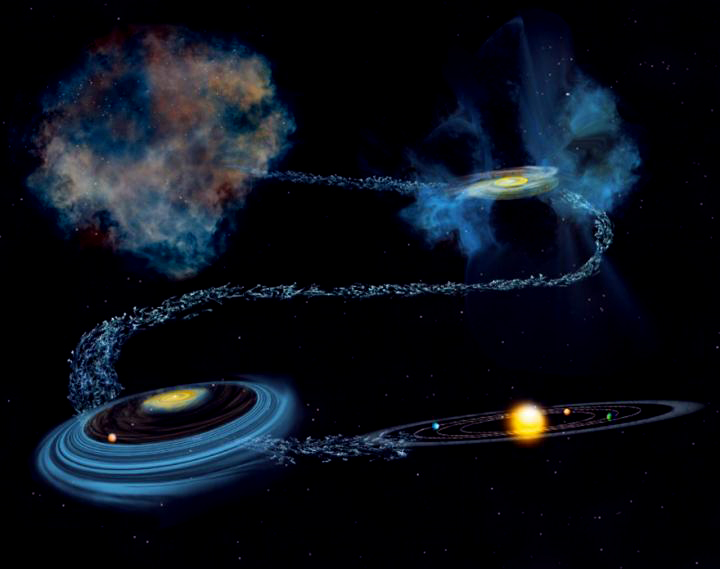
Our work will characterize the evolution of water and organic compositions in protoplanetary disks during planet formation processes, which set the initial compositions of the planetary core, surface, and atmosphere. We will observe molecular spectral lines and ice features from nearby star- and planet-forming regions to trace the chemical origin of planet-forming materials.
- Astrochemical evolution of star- and planet-forming regions.
- Observational and theoretical characterization of protoplanetary disks.
- Initial chemical composition of planets in stellar habitable zones.
- Material delivery to planetary surfaces.
Theme B Scientists
Theme C: Modeling Planetary Evolution
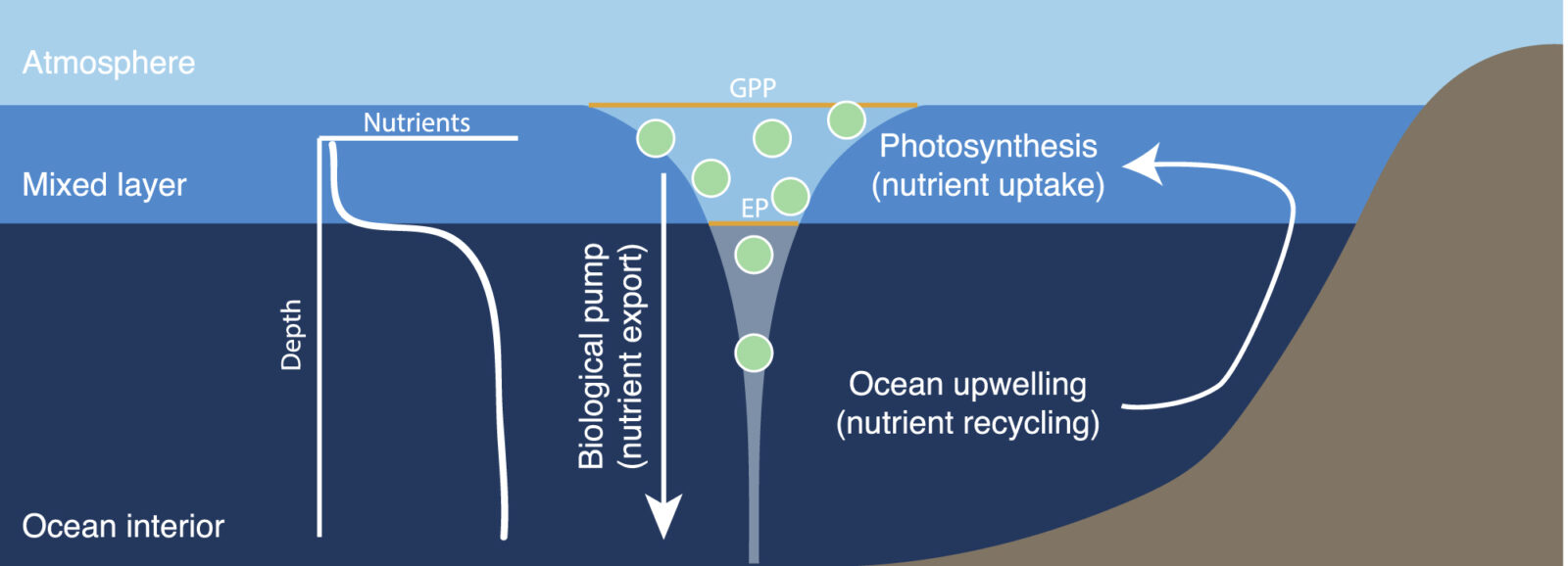
How does the land surface, ocean, and atmosphere of a habitable world evolve after formation?
We know from our own planet’s varied history that life and its environment co-evolved, each feeding back on the other in complex ways. Thus, if we can understand the evolution of a planet’s physical environment, we can constrain the large-scale processes and environmental pressures that favor the development and evolution of life (see Research Themes D, E, and F below), both on Earth and elsewhere. This requires a coupled framework in which interactions between the large-scale geologic (atmosphere, ocean, land, ice, etc.), geochemical, and (potentially) biological processes can be teased apart. Coupled climate models already provide this framework and will be used for this purpose, including those that have been adapted for exoplanet studies (e.g., Olson et al. 2020, Lai & Yang 2022). We will model early Earth and exoplanet climates under a broad range of geologic, orbital, and stellar conditions to determine the fundamental climatic and geochemical processes that make a planet habitable (and favor the development of life) beyond the possible existence of liquid water at its surface.
Theme C Scientists
Theme D: Examining Complex Chemical Emergence
How does organic chemical complexity emerge and become capable of adaptive evolution on habitable worlds?
If we knew the conditions needed for chemical mixtures, driven out of equilibrium by light or geothermal energy, to undergo adaptive change and accumulate complexity, we could better understand the path from geochemistry to biochemistry on an evolving planet. To achieve this goal, it is essential to know something about the chemical repertoires that would be available in different geological settings and to understand the principles (topological, thermodynamic, kinetic) governing the dynamics of chemical reaction networks and their capacity for adaptive change. We will use the conceptual framework of autocatalytic chemical ecology (Baum et al. 2023) to foster rigorous theoretical research and novel laboratory experiments that will look for evidence of the spontaneous emergence of evolution-like dynamics in prebiotically plausible chemical systems. Exploiting the collective expertise of organic chemists, evolutionary biologists, and astrobiologists, new, high-risk experimental research will be conducted.
Theme D Scientists
Theme E: Investigating Polymers and Genetics
How do functional polymers and genetic systems emerge from adaptively evolving chemical reaction networks?
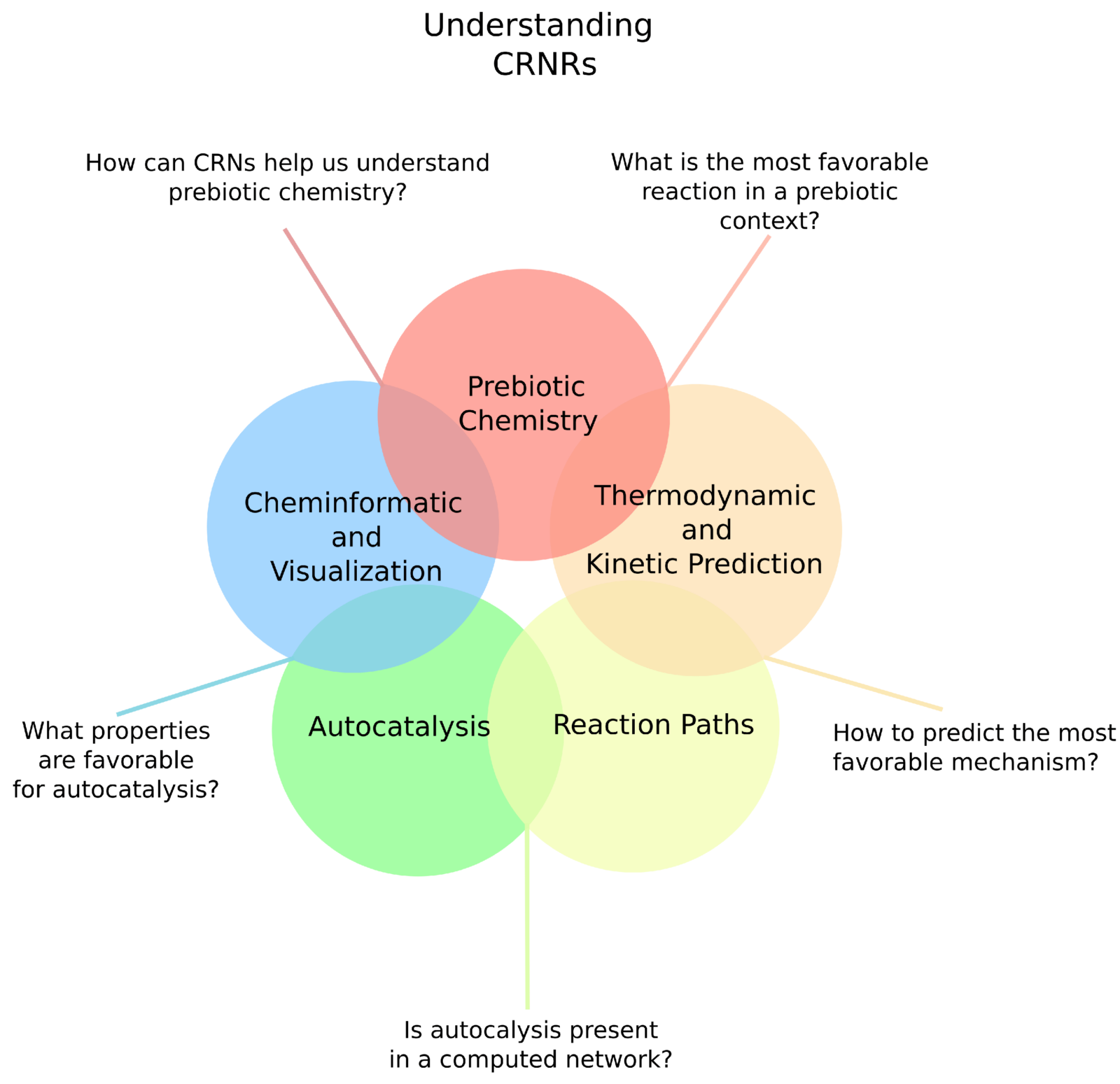
The main research areas here will include experimental investigation of non-enzymatic polymerization with a particular focus on defining and identifying evidence of autocatalytic feedback (where polymer products enhance the rate of some polymerization reactions). This would be complemented by in vitro droplet selection experiments on mixtures of monomers and short polymers to evaluate the role of multilevel selection on the emergence of functional ecosystems of cooperating polymers.
This work will be further enriched by computational modeling to evaluate whether template-mediated polymerization is the only way to enable a response to multilevel selection as suspected, or whether other feedback mechanisms could play this role instead. This information will help constrain the kinds of chemistry that might be conducive to the emergence of genetic evolution and thus the planetary settings in which it might be found. Such advances would also provide insights into the formation of cell-like units, as self-organizing polymers pave the way for cellular structures, advancing models of compartmentalization crucial to the development of life (see Research Theme F below). Ultimately, understanding the self-organization of functional polymers and genetic systems will elucidate how chemically complex systems can contribute to the emergence of life on habitable planets.
Theme E Scientists
Theme F: Elucidating Cellular Life Origins
How does life become organized into discrete, cell-like units?
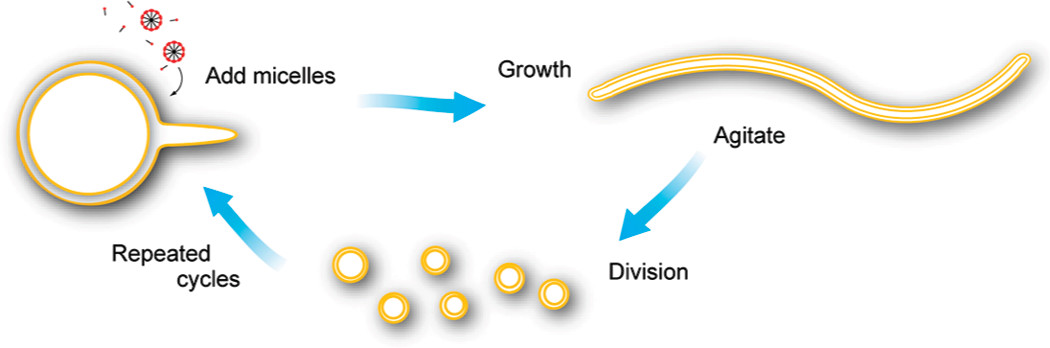
If the processes leading to encapsulation of living systems into protocells or other compartments can be elucidated, new avenues in origins of life research and synthetic biology will be opened. Following on the development of functional polymers (see Research Theme E above), the last major hurdle towards obtaining a self-contained system capable of undergoing evolution is understanding compartmentalization. We will perform laboratory investigations of biological membranes, prebiotically plausible protocells, and liquid-liquid phase separation (coacervates). Understanding if and how these systems enable encapsulation (Deamer & Barchfeld 1982), growth (Zhu & Szostak 2009), and ultimately evolution will be a crucial piece of the puzzle towards understanding how life could emerge. Furthermore, this research theme will build on the work from themes D and E in order to constrain self-consistent processes enabling chemical complexity and potentially the origins of life.
- Laboratory investigations of biological membranes, liquid-liquid phase separation, and prebiotically-plausible vesicles.
- Spatially-explicit computational models of autocatalytic chemical reaction networks to explore compartmentalization of life into cells and whether this or other forms for compartmentalization would be expected on other worlds.